By Caroline Nassuuna
Officer Communications and Brand Management
Accountants and Internal Auditors have been advised that the future of internal audit in public finance management will demand far more than traditional compliance checks.
It will require agile professionals who are technologically skilled, ethically grounded, and capable of delivering greater public value in an increasingly complex environment.
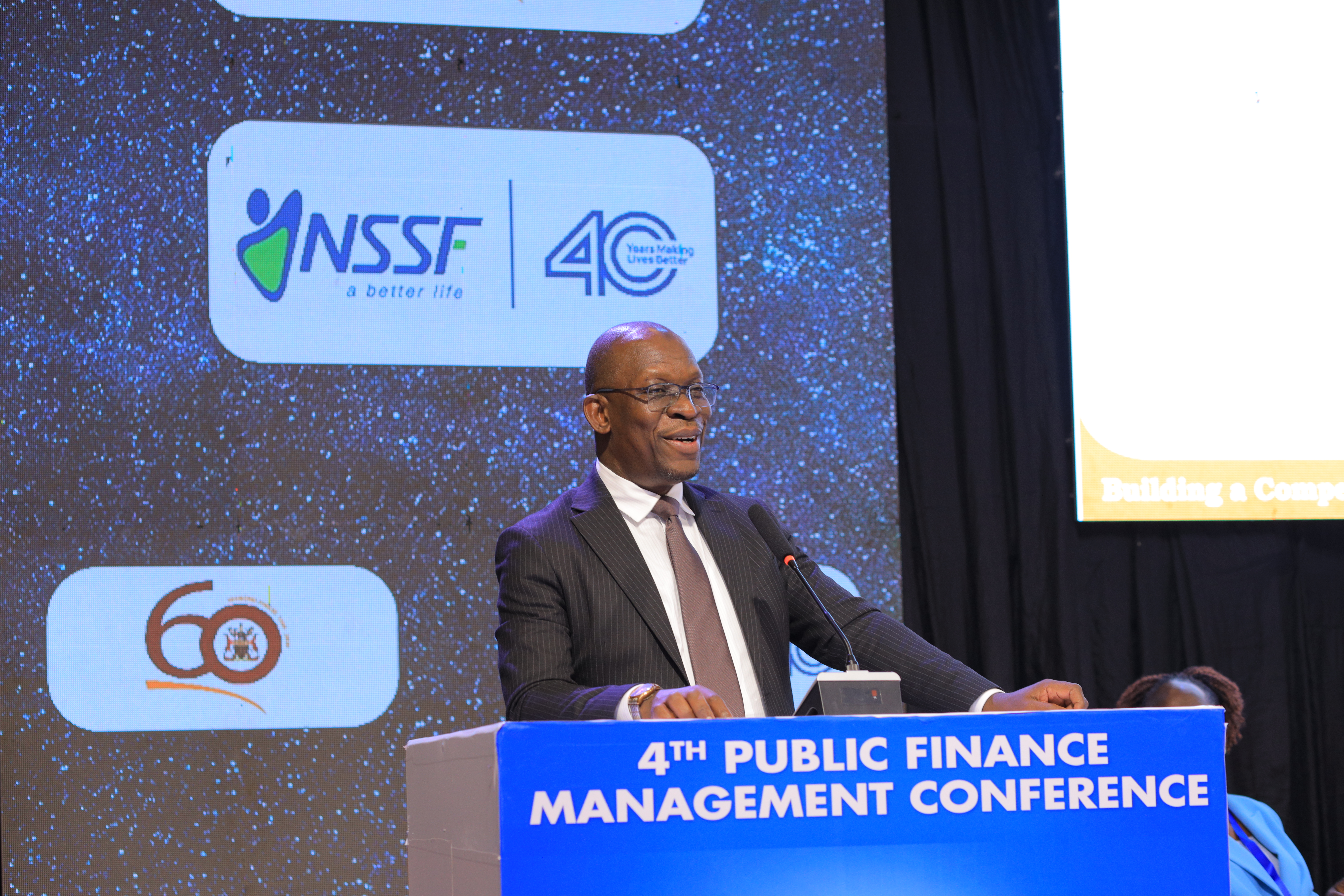
This revelation was made at the 4th Public Finance Management (PFM) Conference, happening at the Imperial Resort Beach Hotel & Online.
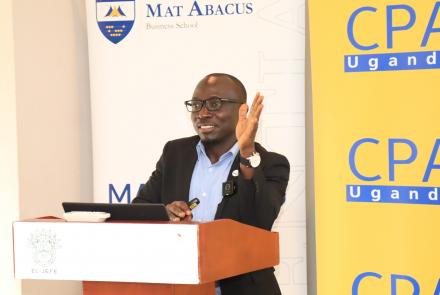
CPA Hussein Isingoma - Ag. Internal Auditor General, Office of the Internal Auditor General, challenged internal auditors to rethink their relevance and professional impact in a rapidly changing world.
He emphasised the urgent need for internal auditors to embrace change and reposition themselves as strategic partners in governance and accountability.
“As an internal auditor, your credibility creates value for your time; it advocates for you, and it builds loyalty and trust among the organisations you serve and the people you work with,” advised CPA Isingoma.
He further noted that the PFM landscape is being reshaped by technology, particularly Artificial Intelligence (AI), increased accessibility to information, evolving legal and regulatory frameworks, emerging standards, and growing risks. These developments are redefining the role of internal audit and demanding a new way of thinking.
According to Isingoma, the internal audit function of the future will look fundamentally different from what exists today. He stressed that future-proofing internal audit requires embracing the “new normal”, shifting from a fragile environment characterised by Volatility, Uncertainty, Complexity, and Ambiguity (VUCA), to a more agile and adaptive approach.
“Digital transformation is no longer optional and Internal auditors must continuously upskill in technology and data analytics to remain relevant in the evolving governance ecosystem, stressed Isingoma.
”Lifelong learning and professional re-skilling are required because auditing is a specialised skill that requires professional competence and certification,” he added.
Beyond technical expertise, Isingoma highlighted the growing importance of soft skills, including communication, collaboration, adaptability, and interpersonal effectiveness. He explained that these qualities influence how auditors engage with people and build productive professional relationships.
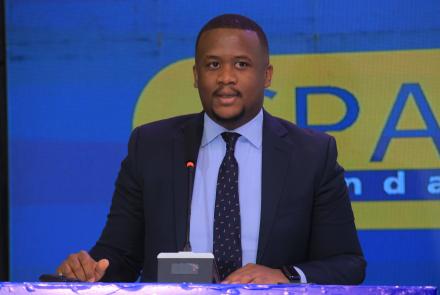
Micheal Gashumba - Director-in-Charge of Advisory at BDO Uganda, emphasised the critical role internal audit plays in strengthening public finance management and governance.
He identified ethics and professionalism as the non-negotiable pillars of effective audit practice, anchored on integrity, competence, objectivity, and confidentiality.
“Public sector internal auditors operate within a unique environment shaped by political systems, elected leadership, audit committees, multi-tiered governance structures, and legal mandates that differ significantly from the private sector,” noted Gashumba.
“Because of these differences, public sector audit functions must adopt adaptive strategies that reflect their governance and accountability realities,” added Gashumba.
He further highlighted challenges such as differing terminology, legal mandates, and the existence of small audit functions within government entities, all of which require strategic planning to build future-ready audit systems.
As governments increasingly focus on accountability, transparency, and value for money, internal auditors are expected to evolve from traditional assurance providers into proactive partners in institutional transformation and sustainable public finance management.
The future of internal audit is not about being more of the same; it is about doing fundamentally different things, in fundamentally better ways, to deliver fundamentally greater public value.
Running from 6 - 8 May 2026, the 4th PFM Conference is organised by the Institute of Certified Public Accountants of Uganda (ICPAU), under the theme Strengthening Public Finance Management for Sustainable National Development. The event partners areBank of Uganda, NSSF, NIRA, Pearl Bank and Uganda Baati.