By Jackline Nabirye
Officer Communications & Brand Management – ICPAU
Accountants have been urged to become active architects of Uganda's economic transformation by championing commercial agriculture, value addition and agro-industrialisation, thereby positioning the sector as a key driver of the country's ambition to grow its economy to US$500 billion.
The call was made during a panel discussion on "Maximising Rewards from the Agricultural Sector for Economic Development" at the 14th CPA Economic Forum.
Industry leaders challenged professionals to leverage their expertise in finance, governance and strategic planning to unlock agriculture's full economic potential.
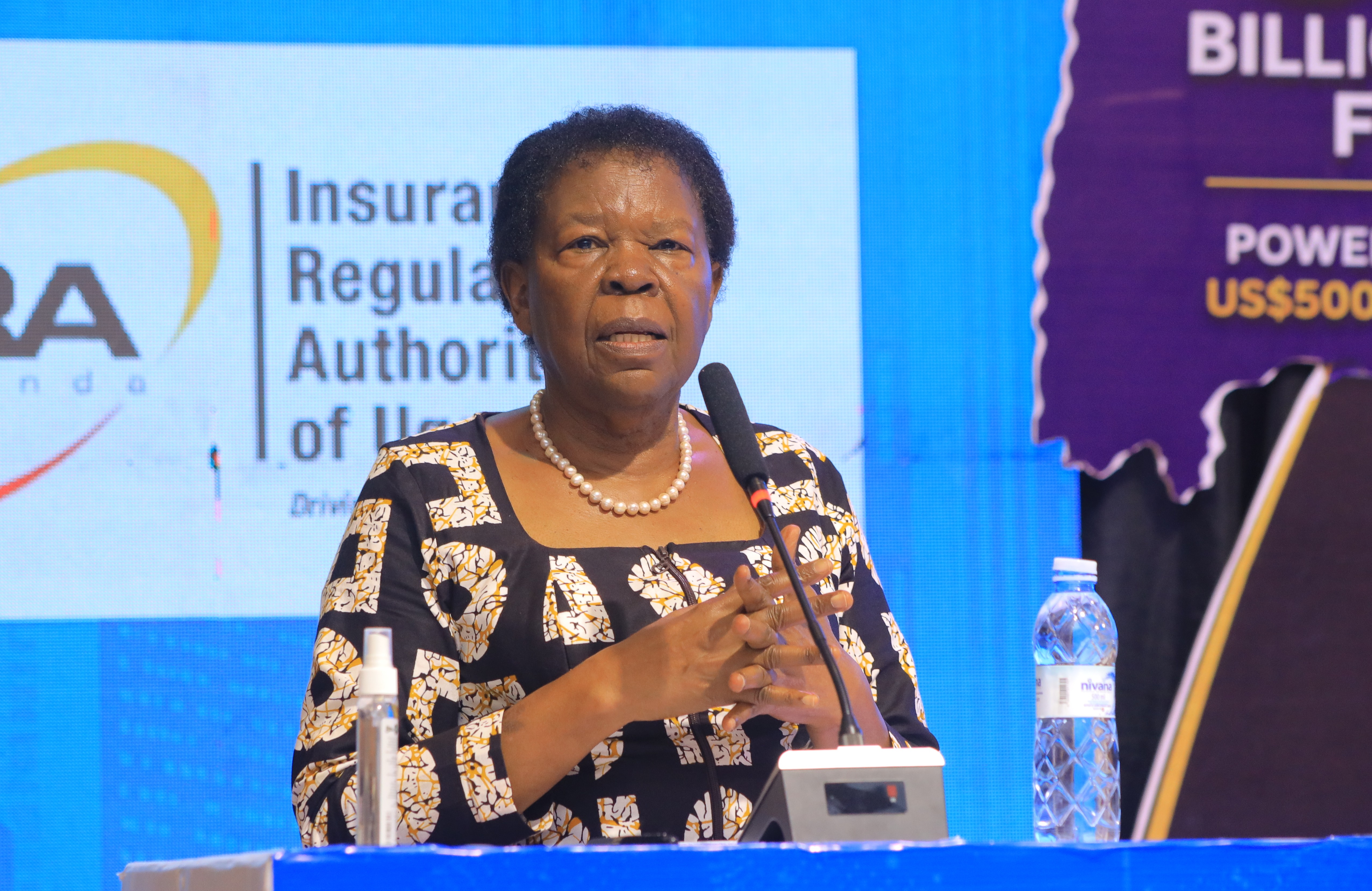
Delivering her presentation, Hon. Victoria Sekitoleko, Chairperson of the Uganda Agribusiness Alliance, reminded participants that agriculture is far more than farming. She described it as a complete economic system that spans input supply, production, aggregation, logistics, processing, finance, trade and industrial use.
She noted that agriculture remains one of Uganda's most important economic sectors sustaining millions of livelihoods, feeding the nation, supplying raw materials to industry and supporting the growth of manufacturing, trade and exports.
Sekitoleko observed that Uganda continues to capture only a fraction of the value generated by its agricultural resources because much of its produce is exported in raw or semi-processed form.
She argued that achieving the Government's Tenfold Growth Strategy requires a deliberate shift from subsistence farming to commercial agribusiness supported by increased productivity, organised value chains, modern processing facilities and competitive export industries.
Sekitoleko identified several structural challenges limiting the sector's performance, including low productivity, poor-quality agricultural inputs, fragmented markets, inadequate infrastructure, climate change, limited financing and policy inconsistencies. She emphasised that overcoming these constraints requires coordinated action between the government, the private sector, professional bodies and development partners.
She challenged accountants to align themselves with the realities of an agriculture-led economy, calling for greater emphasis on agricultural accounting, agribusiness finance, cooperative management, biological asset reporting and commodity pricing within professional education.
Building on this strategic outlook, Lorna Nahwera, General Manager of Avolio Industries Limited, demonstrated how value addition is already transforming Uganda's agricultural sector and creating new opportunities for investment, employment and export growth.
Nahwera challenged participants to rethink agriculture's place in Uganda's economy, arguing that it should no longer be viewed merely as the country's backbone but as its "head and heart" because of its capacity to drive industrialisation and inclusive economic growth.
She observed that Uganda has exceptional unique advantages, including fertile soils, diverse climatic conditions, abundant arable land and a youthful workforce capable of supporting year-round agricultural production. These natural endowments, she said, provide a solid foundation for agro-industrialisation if complemented by investment, innovation and sound business practices.
Drawing on Avolio Industries' experience, Nahwera highlighted the rapid growth of Uganda's avocado industry. In less than a decade, avocado oil has evolved from an unfamiliar product into a thriving export commodity, with Uganda now exporting approximately ten 20-tonne containers of avocado oil every month while expanding into related products such as organic fertilisers, biogas, briquettes, animal feeds and refined oils.
She explained that the success of the avocado industry illustrates the enormous value that can be created when agricultural commodities are processed locally rather than exported in their raw form.
Nahwera further highlighted coffee, cocoa, tea, fish, dairy, horticulture and livestock as sectors capable of generating substantially higher export earnings through value addition, research and product innovation. She noted that Uganda earned more than US$2.38 billion from coffee exports in 2025, yet significantly greater returns could be realised through the production of specialty coffee products, cosmetics, pharmaceuticals and other high-value derivatives.
Despite these opportunities, she acknowledged that investors continue to face obstacles, including cumbersome regulatory processes, inadequate infrastructure, poor rural roads, limited cold-chain facilities, and insufficient access to reliable market information.
To address these challenges, Nahwera called for increased investment in agricultural research and development, stronger investor support mechanisms, efficient industrial parks, improved infrastructure and targeted government interventions that enable commercial agriculture and agro-processing businesses to thrive.
Both speakers emphasised that Uganda has all the ingredients necessary to become a leading agricultural and agro-industrial economy. The country's challenge, they argued, is not a lack of natural resources but the need to convert those resources into higher-value products through innovation, investment and coordinated policy implementation.
As trusted advisors to businesses and institutions, accountants have a critical role in strengthening financial management, improving governance, supporting investment decisions, mobilising capital and promoting accountability across agricultural value chains. Their expertise will be essential in building resilient agribusinesses capable of competing in regional and global markets.
Participants were urged to become champions of agro-industrialisation by supporting enterprises that create value from Uganda's agricultural resources. By combining increased production with commercial agriculture, value addition and sound financial stewardship, Uganda can transform its agricultural sector into a powerful engine for industrialisation, job creation and sustainable economic growth, bringing the country's US$500 billion vision within reach.
The Forum will be held from 15 - 17 July 2026 at the Imperial Resort Beach Hotel, Entebbe, and online, bringing together policymakers, business leaders, economists, development partners, accountants, and other professionals.
The 14th CPA Economic Forum is organised in partnership with; National Identification and Registration Authority (NIRA), PKF Uganda, Uganda National Oil Company (UNOC), Electoral Commission, Microfinance Support Centre (MSC), Ernst & Young, National Water and Sewerage Corporation (NWSC), Electricity Regulatory Authority (ERA), Insurance Regulatory Authority of Uganda (IRA), and Uganda Retirement Benefits Regulatory Authority (URBRA).
-END -