By Jackline Nabirye
Officer Communications & Brand Management, ICPAU
Organisations have been urged to treat employee wellbeing as a core business priority, with experts warning that unmanaged workplace stress, fatigue and poor mental health can undermine productivity, employee performance and long-term institutional growth.
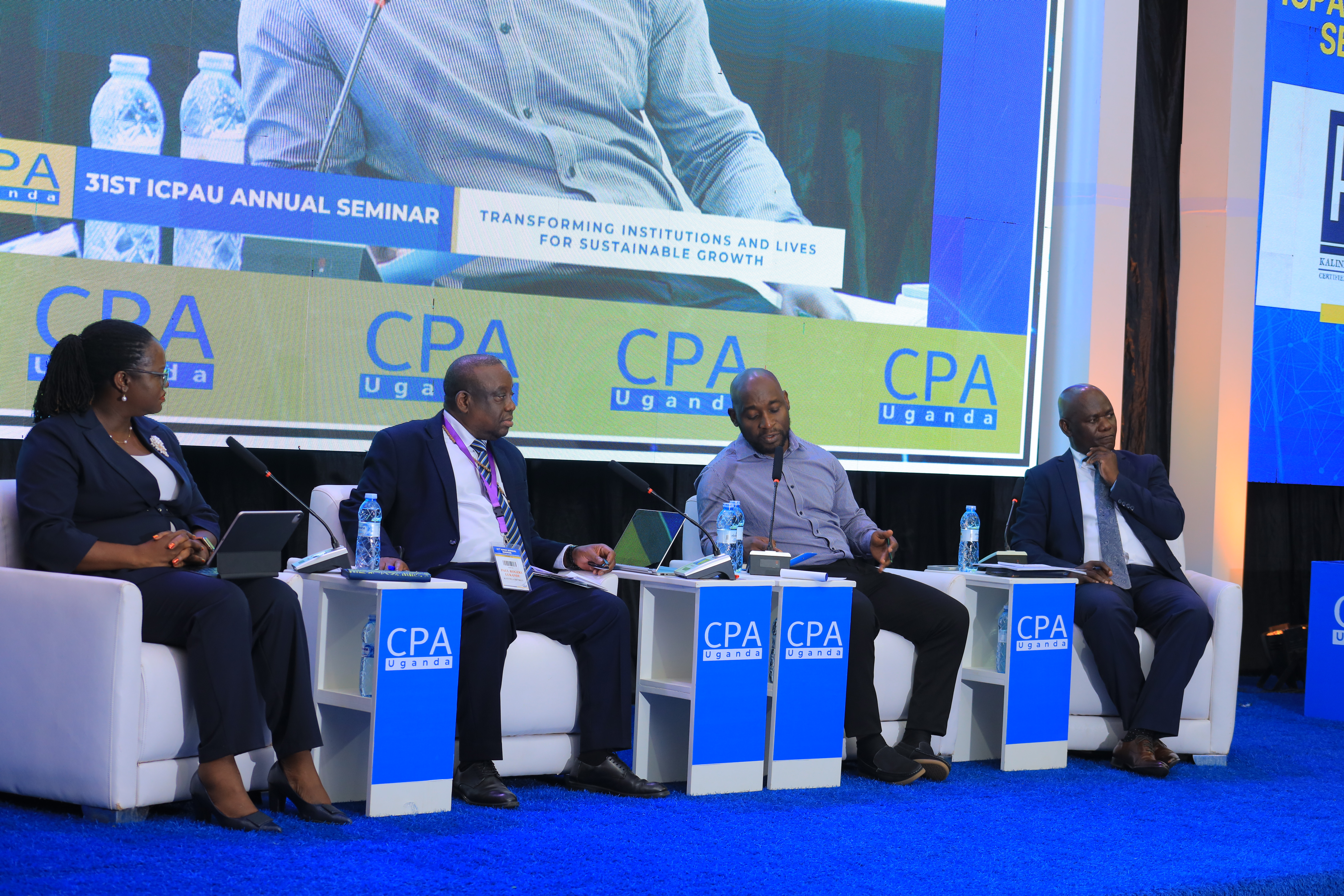
The call was made during a panel discussion on “Health and Workplace Dynamics: What You Need to Know” at the 31st Annual Seminar of the Institute of Certified Public Accountants of Uganda (ICPAU), held at Imperial Resort Beach Hotel, Entebbe, and online under the theme “Transforming Institutions and Lives for Sustainable Growth.”
Dr Daniel Ssekakoni of AAR Health Services said workplace pressures can have a significant impact on employees’ physical and mental wellbeing, particularly when stress is allowed to build up over time.
He noted that anxiety, depression, sleep problems and fatigue can affect an employee’s interest in work and activities they previously enjoyed, while excessive workloads may contribute to insomnia and other health challenges.
According to Ssekakoni, organisations need to recognise that employees are “whole people” whose wellbeing is influenced by both their personal circumstances and the environments in which they work.
He encouraged employees to prioritise healthy habits, including adequate sleep, hydration and maintaining a healthy work-life balance, while employers should create an environment where staff feel comfortable communicating challenges affecting their wellbeing.
“Managers should be observant and proactive,” Ssekakoni emphasised, urging supervisors to pay attention to changes in employees’ behaviour and encourage them to take leave when necessary.
He also cautioned against unhealthy coping mechanisms, noting that workplace stress can manifest in different forms of physical and mental illness and may eventually spill over into other aspects of an employee’s life.
Patrick Ngolobe, an Organisational Effectiveness and People Development Consultant at Africa Executive Leadership Solutions, said organisations must strengthen the systems through which employees are welcomed, mentored and supported. He called for more deliberate induction and mentorship programmes to help bridge generational gaps in the workplace and support employees as they develop in their careers.
Ngolobe noted that organisations should not assume that every line manager is naturally equipped to mentor or support employees. Instead, managers need to be deliberately trained and mentorship should be connected to the organisation’s broader talent and succession plans. He also stressed the importance of building trust, giving regular feedback, creating opportunities for employees to connect and tracking the effectiveness of mentorship programmes.
“Without measuring, you can’t manage,” he said, emphasising the need for organisations to assess whether their people-development initiatives are delivering results.
For Ngolobe, building a healthy workplace also requires credible leadership. Leaders must demonstrate competence and character and, most importantly, model the behaviours they expect from their teams.
Ms Eva Nazziwa Lubowa, Director of Human Resources and Administration at the Public Procurement and Disposal of Public Assets Authority (PPDA), emphasised the need to equip managers with the skills to identify and appropriately respond to employee concerns. She said managers should be trained on how to ask the right questions, listen to employees and recognise when someone may be experiencing stress or other challenges.
Organisations, she added, should also plan adequately for periods of increased workload by ensuring that there are sufficient staff to manage peak periods and distributing responsibilities fairly across teams.
Lubowa cautioned against assuming that managers or human resource professionals are automatically equipped to provide psychological or counselling support.
“Not every manager is a counsellor,” she noted, stressing that organisations should instead train managers to recognise warning signs and know when to refer employees to the appropriate professional support.
She further called on organisations to put people at the centre of their sustainability strategies, arguing that institutions cannot achieve lasting success while neglecting the wellbeing of the people who drive their performance.
The panel discussion highlighted a growing need for organisations to move beyond viewing employee wellbeing as an occasional HR initiative and instead integrate it into everyday workplace management. From creating manageable workloads and encouraging employees to take leave to strengthening communication, mentorship and managerial skills, the experts emphasised that workplace wellbeing requires shared responsibility between employees and employers.
As organisations seek sustainable growth, the message from the panel was clear: healthy and supported employees are essential to healthy and sustainable institutions.
The three-day ICPAU Annual Seminar, running from 2–4 September 2026, brings together more than 2,000 professionals to explore issues extending beyond traditional technical accounting, including leadership, wellness, personal financial management, entrepreneurship, family life and other areas that contribute to professional and personal growth.
END