By Caroline Nassuuna
ICPAU
Women in accountancy have been urged to adopt prudent financial management practices and plan to preserve and transfer their wealth to secure their financial future.
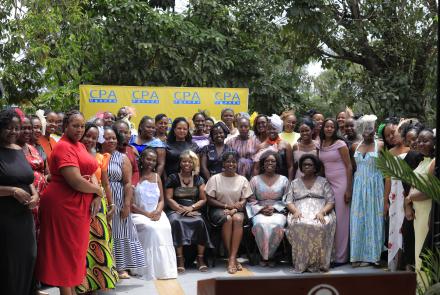
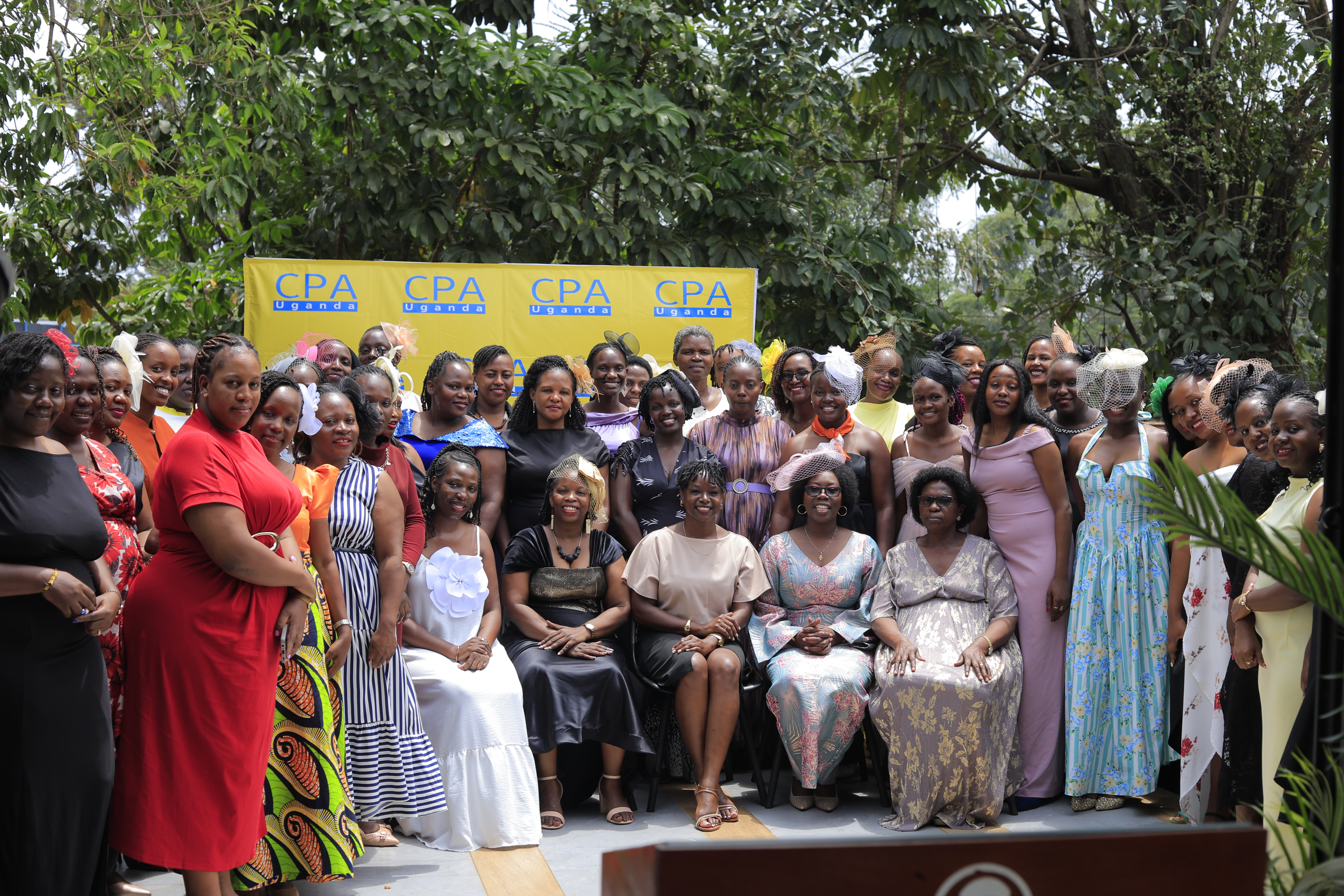
The call was made during the Women in Accountancy Forum held on Saturday, 24 October 2026, at Fairway Hotel in Kampala, where speakers emphasised the importance of financial discipline, purposeful investing and estate planning.
CPA Annet Nantumbwe – Chairperson, Women in Accountancy Committee, appreciated the women for making time to attend the forum, underscoring the Institute’s master plan for the women in accountancy through their committee.
She acknowledged women's expertise in managing finances and encouraged them to be intentional while using their resources, emphasising that financial wellbeing is not determined solely by how much one earns, but also by the wisdom with which money is invested. She further urged women to confront the realities of life and prepare for different eventualities, while highlighting the importance of supporting one another.
Speaking on Mastering Personal Financial Management, Pumla Nabachwa - economist and Certified Financial Literacy Educator, Bank of Uganda, challenged women to build healthy financial habits and ensure that increases in income translate into greater savings and investments rather than increased expenditure.
Nabachwa noted that women's relationships with money are often shaped by their upbringing, social pressures, gender expectations and experiences within their families. She encouraged participants to understand their money personalities, explaining that some people view spending as a reward, others associate giving with love and responsibility, while others avoid financial matters because they find them stressful.
“Understanding these tendencies can help individuals identify unhelpful habits and make more deliberate financial decisions,” noted Nabachwa.
She encouraged women to set clear financial goals, describing a financial goal as any objective expressed in monetary terms.
“Consider the 50/30/20 budgeting guide as a starting point for allocating income to needs, wants and savings, and ensure you save as soon as you earn,” explained Nabachwa.
She further advised women to invest in opportunities they understand and borrow for clearly defined purposes. She cautioned that borrowing should strengthen one's financial position rather than create greater distress or dependency.
The forum also examined the importance of protecting wealth and ensuring its orderly transfer across generations.
Irene Namuli - Founder and Managing Principal Consultant, Miresh Advisory, spoke on Preserving Your Legacy: Estate Planning, Succession and Wealth Transfer. She challenged participants to consider what would happen to their finances and responsibilities if they were in any state of incapacitation.
She explained that legacy planning extends beyond preparing for death to include incapacity, continuity and the people who depend on an individual. She encouraged women to move beyond viewing a will as the entirety of an estate plan, noting that a legacy encompasses assets, people, decisions and values, all of which need to be connected through deliberate planning.
She urged participants to establish an inventory of their assets and financial obligations and to clarify what should happen to their property, who would assume responsibility if they became incapacitated, and who would take over key responsibilities when necessary.
Addressing property ownership, Namuli cautioned women against assuming that marriage automatically makes all property jointly owned. She emphasised the importance of understanding legal ownership, documenting financial contributions and ensuring that property interests are properly recorded.
“If your money goes into it, put your name on it. It is important to protect your interests when contributing to acquisition or development of property,” advised Namuli.
The discussions during the forum underscored the need for women to take a proactive approach to their financial wellbeing by combining disciplined saving, informed investing and responsible borrowing with long-term planning for retirement, incapacity and wealth transfer.
The forum reinforced the message that financial security is not simply about accumulating wealth, but also about managing it wisely, protecting it and ensuring that it continues to serve one's needs and those of future generations.