By Caroline Nassuuna
ICPAU
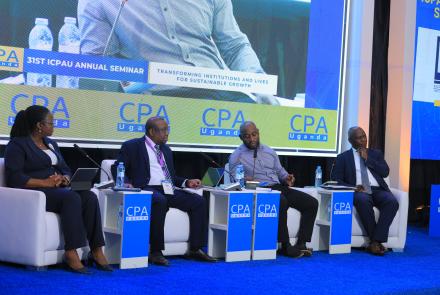
Accountants have been advised that building wealth is only half the battle. The real challenge is putting in place a system that protects it, governs it and ensures it survives beyond the person who created it. This was during the 31st ICPAU Annual Seminar, held at the Imperial Resort Beach Hotel, Entebbe, & Online.
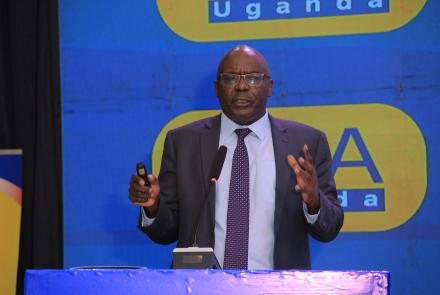
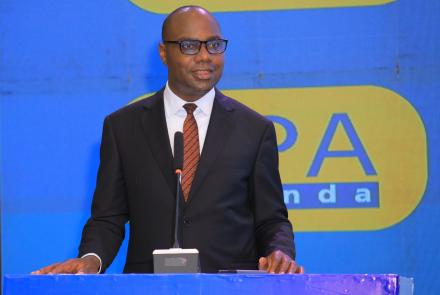
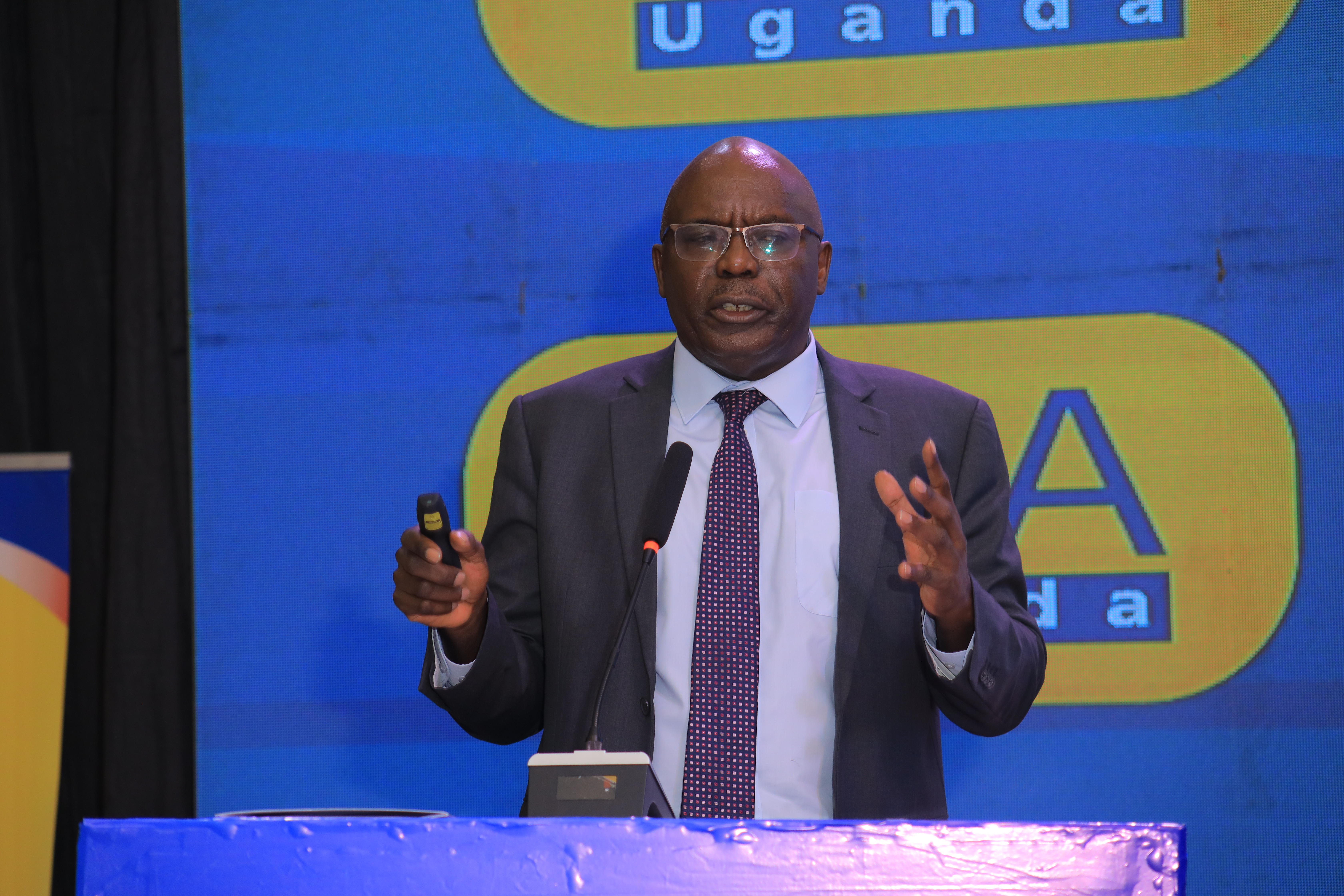
Speaking under the theme “Transforming Institutions and Lives for Sustainable Growth,” CPA Robert Katuntu - CFA, Chief Investment Officer, Alpha Asset Managers Limited, presented a Wealth Operating System designed to help individuals and families build sustainable investments and create wealth that can be transferred to future generations.
According to him, having assets does not necessarily mean having wealth. Assets are not the same as a wealth system, because careers and assets can grow faster than the systems needed to manage them. The result, he warned, can be wealth that is substantial but illiquid, concentrated, poorly documented and difficult to transfer.
Katuntu proposed seven controls that should form the backbone of every household's wealth operating system. These are purpose and goals, cash flow and liquidity, protection, investment, compliance, retirement, and estate and continuity.
“The philosophy is simple: goals first, investments second. Write down your money goals. Many people invest without first clearly defining what their money is meant to achieve,” noted Katuntu.
He urged individuals to maintain a written goal register detailing what the money is for, how much is required, when it will be needed and who is responsible for it, adding that unwritten goals cannot be reviewed, delegated or inherited.
Katuntu also warned investors against tying up all their wealth in assets that cannot quickly provide cash.
“A valuable asset can still fund nothing next week. Cash is king when trouble strikes,” advised Katuntu.
He recommended maintaining a reserve equivalent to three to six months of essential expenses before taking on additional investment risk, noting that diversification is more than owning many assets.
Katuntu recommended a one-page Investment Policy Statement (IPS) setting out investment objectives, allocation ranges, custody arrangements and review dates. He also reminded investors to look beyond headline returns and consider inflation. Adding that a high nominal return can still translate into a much smaller gain in real purchasing power.
“Check before you invest. Make compliance and due diligence part of every investment decision,” Advised Katuntu.
He proposed a seven-question due-diligence test covering licence, ownership, risk, liquidity, evidence, conflicts and records before committing money to an investment. This advice is particularly relevant in an environment where seemingly impressive returns can attract investors without adequately investigating who is holding their money, how the investment works or how they can exit.
Katuntu further highlighted that there are three silent killers of wealth: investor psychology; identifying desperation, fear of missing out and envy, noting that emotional decision-making can result in excessive risk-taking, poor investment choices and costly mistakes.
“Avoid investment noise, seek views that challenge your assumptions, stop checking prices obsessively, be cautious of social media investment tips, and remain focused on personal long-term goals,” advised Katuntu.
He urged professionals to build a “continuity pack” containing an asset register, legal authority, business continuity arrangements and a secure document vault.
The three-day ICPAU Annual seminar, running from 2–4 September 2026, is organised by the Institute of Certified Public Accountants of Uganda (ICPAU). The gathering brings together over 2,000 professionals with the aim of broadening professional development beyond technical accounting knowledge by addressing leadership, personal finance, wellness, entrepreneurship, family life and other areas that contribute to both professional and personal growth.
The seminar is organised in partnership with Grant Thornton, Financial Intelligence Authority, KPMG, Stanbic Bank, NCBA Bank, Bakertilly, Centenary Bank, PKF, Uganda National Oil Company (UNOC), Uganda Electricity Distribution Company Limited (UEDCL), The Microfinance Support Centre, National Identification and Registration Authority (NIRA), The Electoral Commission, Uganda Electricity Generation Company Limited (UEGCL), Bank of Uganda, Prudential, Law Development Centre (LDC), National Social Security Fund (NSSF), Uganda Electricity Transmission Company Limited (UETCL), Uganda Civil Aviation Authority (UCAA), Public Procurement and Disposal of Public Assets Authority (PPDA), Pride Bank, Kalinda & Associates, Wazalendo SACCO, Uganda Communications Commission (UCC), Old Mutual, Goldgate and Alpha Asset Managers.
-END-