By Caroline Nassuuna
ICPAU
Finance managers have been urged to embrace strategic and transformational leadership to effectively navigate change, drive innovation and unlock organisational performance.
The call was made during the CFO Leadership Academy class held on Thursday, 20 August 2026, at the Four Points by Sheraton Hotel. Themed “Inspiring People, Fostering Innovation & Unlocking Performance”, the class brought together a line-up of experienced leaders and management experts who explored the evolving role of the Chief Financial Officer (CFO).
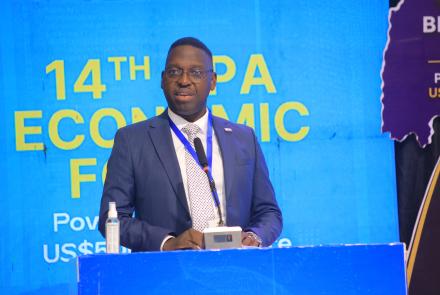
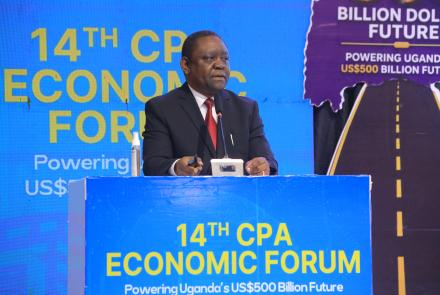
The presenters included CPA Patrick Ayota, Managing Director, National Social Security Fund (NSSF); CPA Alfred Brian Agaba, Leadership and Management Consultant; and Paul Ikopit, Chief Executive Officer, Uganda Telecommunications Corporation Limited (UTCL).
Speaking on the DNA of a Transformational Leader, CPA Ayota challenged CFOs to adopt a broader view of leadership and position themselves as strategic leaders capable of guiding organisations through change and disruption.
“A Chief Finance Officer (CFO) is a Chief Executive Officer (CEO) in waiting. Therefore, a CFO is expected to see further than everyone around them and, above all, learn about people as much as HR and understand systems as much as the IT person,” said Ayota.
He noted that transformational leadership requires a clear vision that offers a glimpse into the future, accountability and a willingness to take responsibility for one’s actions. He further highlighted integrity, resilience and strong communication skills, including the ability to listen effectively and communicate clearly, as essential attributes of a transformational leader.
CPA Agaba, in his presentation, Strategic Leadership: Inspiring Teams and Unlocking Performance, emphasised that no single leadership style works in every situation.
“There are no perfect leaders. It only depends on the context and who is on the other side of the team,” said Agaba.
He introduced the four finance leadership styles: controller, coach, partner and architect, explaining that effective leaders should be able to adapt their approach to the situation and the people they lead.
CPA Agaba also challenged finance leaders to move beyond their traditional role of managing numbers and embrace their responsibility as drivers of organisational value.
“You are not merely CFOs. A Chief Financial Officer manages the numbers, whereas a Chief Value Officer, who you are called to be, connects those numbers to a story that their team can act on every day. Always bear in mind that every number on the balance sheet represents a human being,” he noted.
Meanwhile, Paul Ikopit explored Negotiation Mastery: Creating Value Beyond the Bargain, highlighting negotiation as a critical leadership competency for finance professionals.
He explained that effective negotiation is not simply about winning a bargain, but about creating value, protecting the organisation against downside risks, strengthening partnerships and improving financial outcomes.
“A great CFO negotiates for the business, not just for the bargain,” Ikopit said.
The sessions analysed the evolving expectations of finance leaders, who are increasingly required to combine technical financial expertise with strategic thinking and the ability to create value across the organisation.
The CFO Leadership Academy is run by MAT ABACUS Business School in partnership with the Institute of Certified Public Accountants of Uganda (ICPAU). It is a premier capacity-building programme designed to nurture the next generation of strategic finance leaders.
The session opened the 2nd Quarter of the 2026/27 cohort, organised under the theme The Agility Edge. This quarter will conclude in October, as the class awaits the 3rd and 4th quarters before their graduation in May 2027.