By Caroline Nassuuna
ICPAU
Chief Financial Officers (CFOs) have been advised to navigate boardroom politics and demonstrate ethical courage as their roles expand beyond financial management into business strategy and executive decision-making.
The call was made during the second quarter of the 2026/27 CFO Leadership Academy, organised by MAT ABACUS Business School in partnership with the Institute of Certified Public Accountants of Uganda (ICPAU).
Finance professionals were challenged to strengthen their judgement and leadership skills to navigate complex organisational environments.
Speaking during a panel discussion on the future of executive leadership, Brenda Nabatanzi Mpanga - Founder and Managing Partner, BNM Advocates, emphasised the importance of building trust with board members and fellow executives.
“Always make sure that you have a good relationship with the board; they will protect you when you need it. Strong professional relationships will enable you to access critical information and respond confidently to questions and challenges in the boardroom,” remarked Mpanga.
Mpanga noted that the CFO's mandate has evolved beyond financial stewardship to encompass strategy, diplomacy and ethical oversight. Today's finance leaders are expected to guide business strategy, influence organisational decisions and safeguard integrity when commercial interests or political considerations threaten ethical standards.
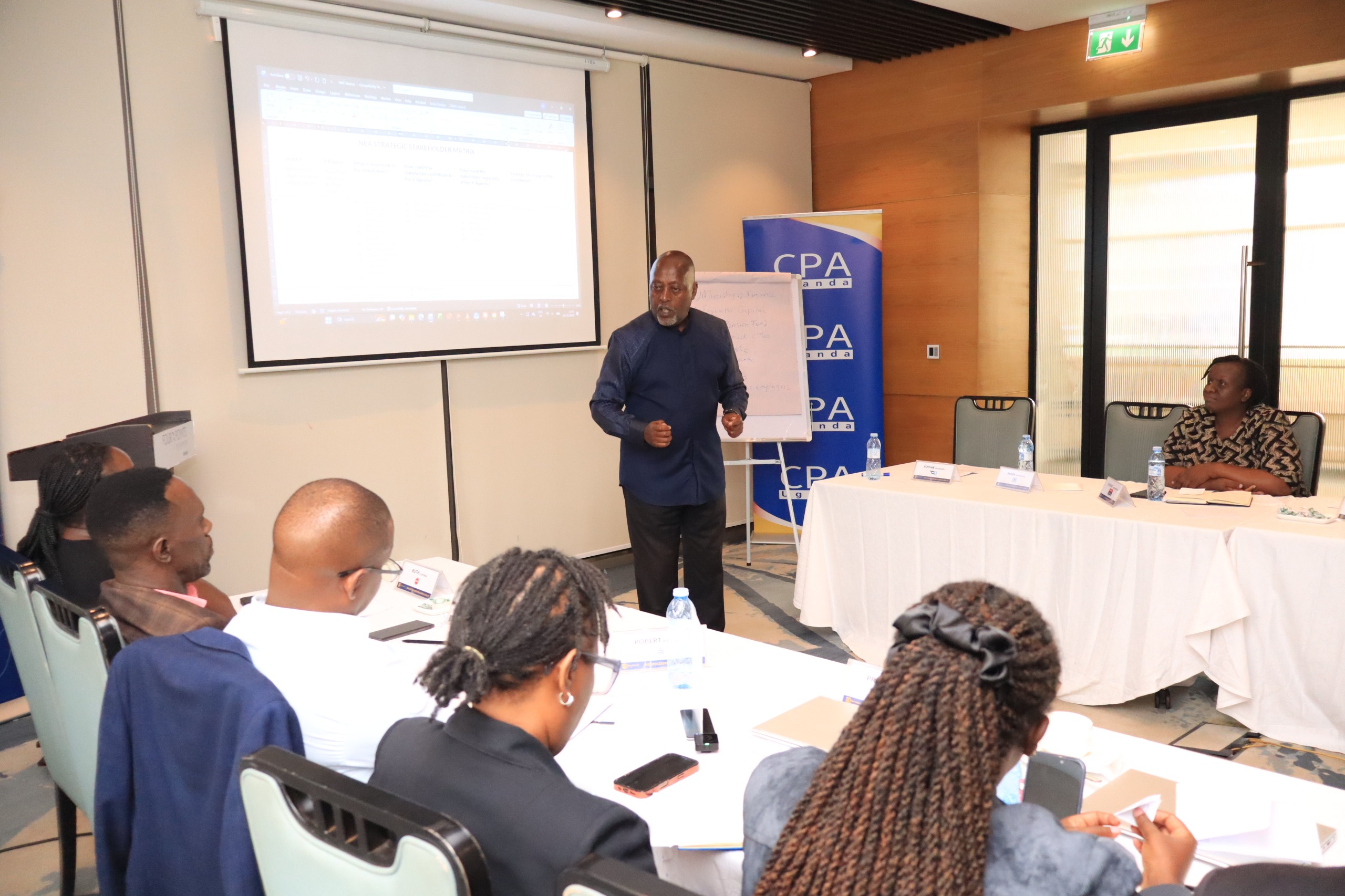
The discussion was complemented by insights from Henry Rugamba - Managing Partner, Songa Communications, who explained how strategic stakeholder engagement can strengthen organisational reputation, build public trust and contribute to business success.
Drawing on his experience in corporate communications, Rugamba urged finance leaders to identify the individuals and groups that matter to their organisations, understand their interests and assess the influence they can exert on business objectives.
He emphasised the need to tailor communication to different audiences, including customers, professional bodies, government agencies and other influential parties.
“Meaningful engagement can turn stakeholders into informed advocates who help communicate an organisation's value and achievements,” advised Rugamba.
He also stressed the importance of proactive communication, advising leaders to address concerns and share relevant information before negative perceptions escalate into reputational challenges.
The panel discussion highlighted the importance of combining technical financial expertise with strategic thinking, sound judgement, effective communication and ethical courage.
As organisations face increasing technological, sustainability and governance demands, CFOs are expected to operate at the forefront of business strategy, helping institutions navigate uncertainty while protecting long-term value.
The CFO Leadership Academy seeks to equip finance professionals with the leadership capabilities required to navigate complex business environments and deliver sustainable institutional value.
The 2026/27 cohort has concluded its second quarter, and participants will proceed to the third quarter next month, ahead of their anticipated graduation in May 2027.
-END-