By Jackline Nabirye
Officer Communications & Brand Management, ICPAU
Public finance professionals, financial institutions, and citizens have been urged to prioritise the security of persons and property as a critical foundation for economic growth, financial stability, and sustainable national development.
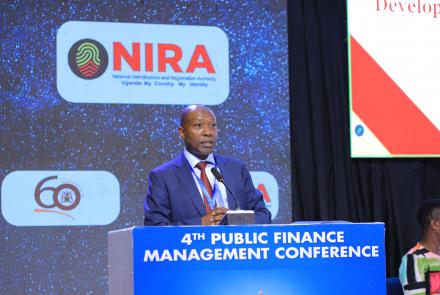
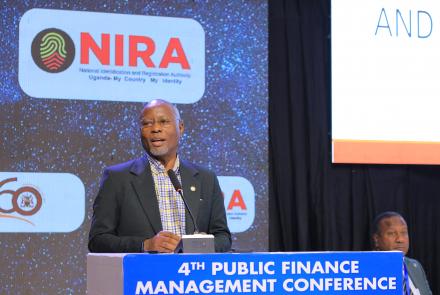
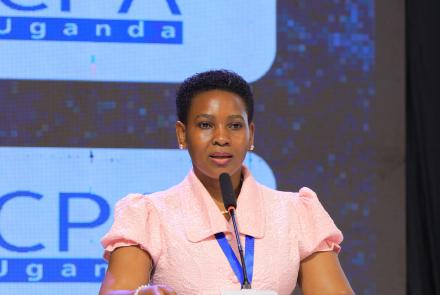
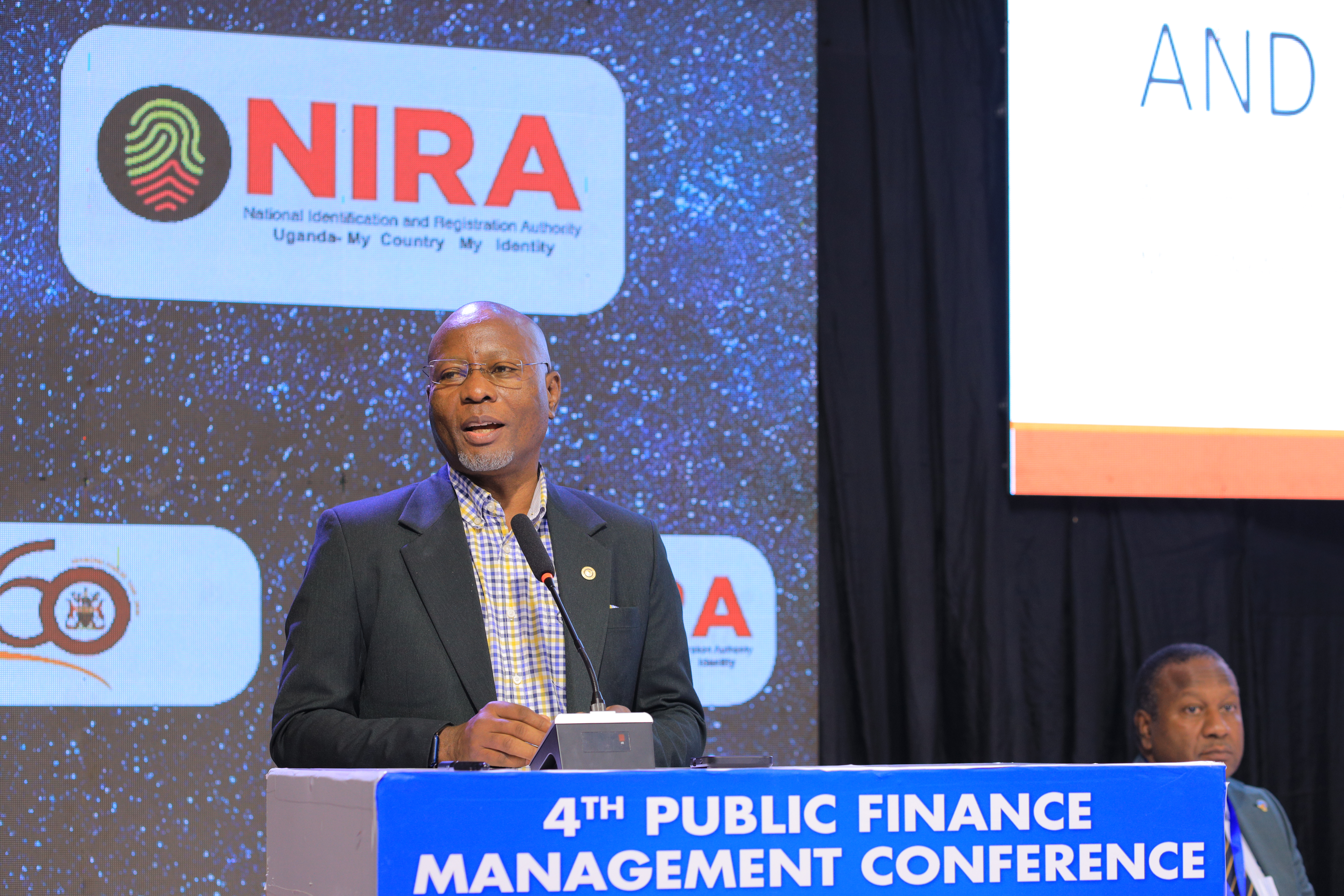
The call was made by AIGP (Rtd) Asan Kasingye, Managing Director of Tayari Security Services Limited, and Doreen Esaete, Head of Legal and Company Secretary at Opportunity Bank while delivering presentations on Security of Person and Property during the Public Finance Management (PFM) Conference.
The speakers emphasised that a safe and secure environment is essential for economic activity, investment, and effective public finance management. Without security, they noted, governments face increased costs, weakened public trust, and reduced economic productivity.
Kasingye highlighted that while the state has the constitutional responsibility to maintain law and order, security is a shared responsibility that requires the active participation of citizens, institutions, and communities.
“It is the primary duty of the state to protect its citizens and maintain law and order but citizens must also take personal responsibility for their own safety and support public and private security efforts,” he said.
He identified key threats to personal and property security, including crime, terrorism, unemployment, political violence, domestic violence, and weak law enforcement systems. These challenges, he noted, not only threaten individual safety but also undermine economic activity and strain public resources.
Kasingye called on individuals and organisations to adopt proactive security measures such as strengthening home and workplace security systems, limiting predictable routines, safeguarding personal information, and promoting community policing initiatives.
He further urged workplaces to strengthen access controls, information security, emergency preparedness, and visitor management systems to reduce risks and protect both people and assets.
“People need to realise that their security starts with them,” he stressed, encouraging Ugandans to remain vigilant and security-conscious in their daily activities.
Esaete approached the discussion from a financial and legal perspective, arguing that true economic transformation cannot occur without strong systems that protect individuals, businesses, and property rights.
She noted that while financial inclusion has expanded in Uganda, many households and businesses remain vulnerable to economic shocks due to weak risk protection mechanisms, low insurance penetration, and gaps in legal enforcement.
“Sustainable financial inclusion requires both access and protection,” she said.
Esaete explained that secure property rights, enforceable contracts, and reliable financial systems are critical for investment, credit access, and long-term economic resilience. Weak property rights and fragmented legal systems, she warned, continue to limit access to financing and discourage investment.
She also highlighted the complementary role of banking and insurance in safeguarding economic activity. While banks mobilise and allocate capital, insurance protects individuals and businesses from financial loss, enabling continuity and recovery during crises.
The presenters underscored that security extends beyond physical protection to include legal, financial, and institutional security. Effective systems must ensure certainty of rights while protecting citizens and businesses against loss, fraud, and exploitation.
For accountants and public finance practitioners, the message was clear ― security and financial integrity are deeply interconnected. Professionals were urged to strengthen internal controls, support risk management systems, and champion accountability measures that protect public resources and build public confidence.
The speakers further highlighted the importance of professional indemnity insurance, particularly for accountants and auditors, as a safeguard that enhances trust in financial reporting and strengthens confidence in public and private sector institutions.
As Uganda advances the implementation of National Development Plan (NDP) IV and Vision 2040, delegates heard that sustainable national development will depend not only on mobilising resources, but also protecting them.
The discussions reinforced a growing consensus among stakeholders that secure communities, strong institutions, effective financial systems, and accountable governance are essential pillars for resilient economic growth and sustainable public finance outcomes.
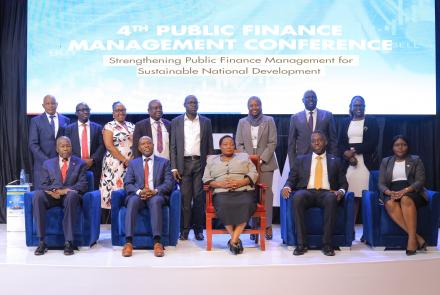
The 4th PFM conference is organised by the Institute of Certified Public Accountants of Uganda (ICPAU) in partnership with National Social Security Fund (NSSF), Bank of Uganda, National Identification and Registration Authority (NIRA), Uganda Baati and Pearl Bank.
The conference is running from 6 – 8 May 2026, at the Imperial Resort Beach Hotel, Entebbe, and online. The PFM Conference is an economic policy think tank, introduced to provide a platform for accountants to influence national economic policy.
END