By Joan Abaasa
Communications Officer
Accountants have been urged to embrace innovation, strengthen quality management systems, and leverage Artificial Intelligence (AI) to enhance service delivery and compliance in an evolving regulatory environment.
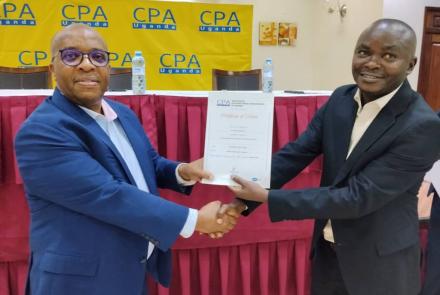
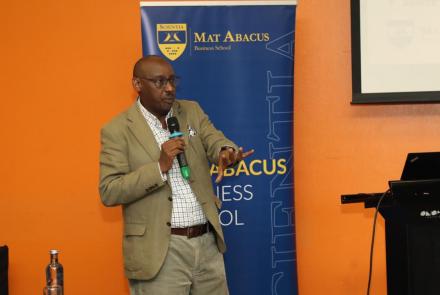
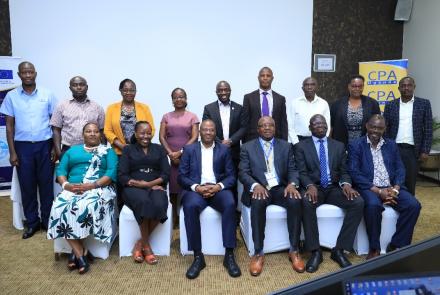
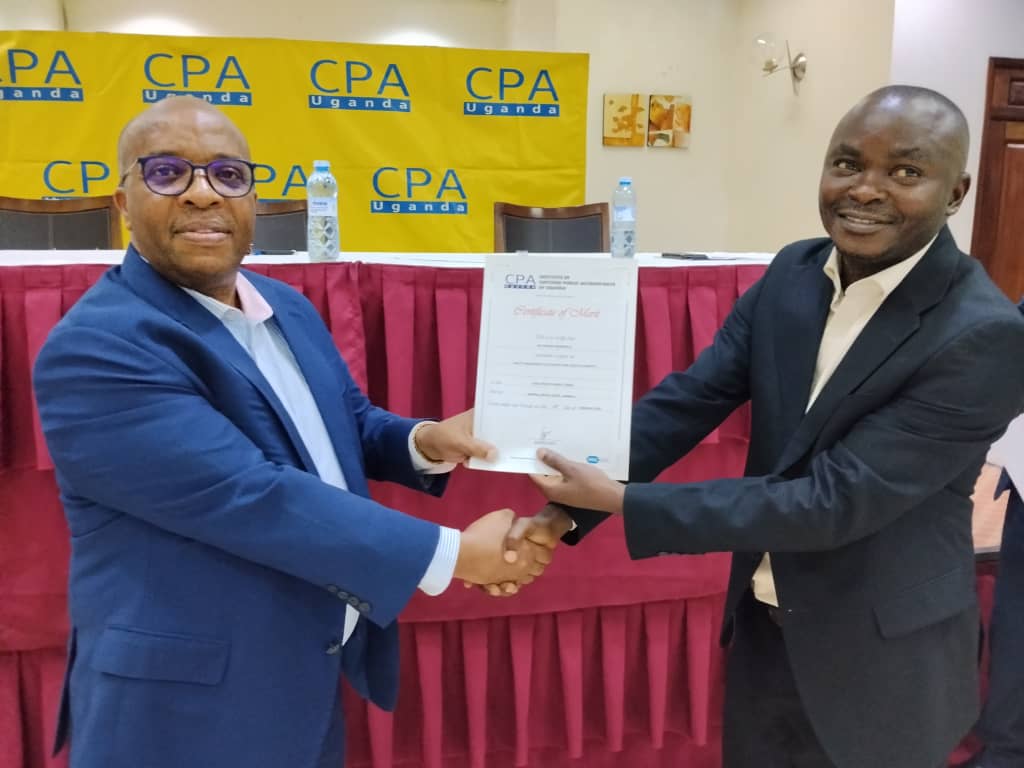
The call came during the ICPAU Practitioners’ Forum held on 10 February 2026 at Imperial Royale Hotel, Kampala. Participants benefited from insightful presentations by CPA Edward Ssendiwala, Partner at Tervuren GMS, and CPA Obed Bampe Tindyebwa, Partner at Grand & Noble.
Delivering a presentation on Quality Management in Accounting Firms – Practical Insights, CPA Edward Ssendiwala emphasised the transition from a policy-based quality control approach to a risk-based quality management framework under the International Standards on Quality Management (ISQM 1 and ISQM 2) and ISA 220 (Revised). He noted that quality management is a proactive process designed to safeguard professional integrity, protect audit quality, and meet regulatory expectations.
Ssendiwala explained that firms are now required to design, implement, and operate a System of Quality Management (SoQM) tailored to their specific nature and circumstances. Unlike the former checklist approach under ISQC 1, ISQM 1 requires firms to establish quality objectives, identify and assess quality risks, and design appropriate responses.
He highlighted the eight components of a SoQM, including governance and leadership, ethical requirements, acceptance and continuance of client relationships, engagement performance, resources, information and communication, and monitoring and remediation.
He further stressed the importance of continuous monitoring, documentation, and annual evaluation of the System of Quality Management to ensure reasonable assurance that engagements are performed in accordance with professional standards and applicable legal and regulatory requirements.
On tax practice, CPA Obed Bampe Tindyebwa delivered a presentation on Managing Tax Risks and Delivering Value-Adding Advisory Services in Accountancy Practice. He defined tax risk as the possibility of incurring additional tax liabilities, penalties, interest, or reputational damage arising from underreporting, misinterpretation of tax laws, or failure to comply with statutory obligations.
He outlined key types of tax risks, including compliance risk, transactional risk, reputational risk, and strategic risk. Practitioners were encouraged to adopt a structured tax risk management approach involving risk identification, assessment, mitigation, and continuous monitoring.
CPA Tindyebwa noted that value in tax consultancy is measured by how effectively an advisor helps clients reduce risk, optimise tax outcomes, and strengthen compliance. He emphasised the importance of integrating technology, including tax analytics software and AI-driven scenario modelling, to enhance efficiency and deliver measurable results for clients.
In his closing remarks, CPA Derick Nkajja, Secretary/CEO of ICPAU, commended the practitioners for their continued commitment to professional development. He particularly appreciated the senior and experienced practitioners who consistently attend the forum to share their knowledge and practical insights with colleagues in the profession.
He also thanked Dr James Onyoin for establishing Vision AI Africa, a company aimed at helping professionals understand and harness the benefits of Artificial Intelligence. Nkajja encouraged practitioners to take advantage of such initiatives to remain relevant in a rapidly changing technological landscape.
Additionally, Nkajja challenged practitioners to develop a Small and Medium Practices (SMP) tax tool embedded with AI to help Small and Medium Practices consolidate and manage tax matters more effectively.
He noted, “Just as the SMP Audit Tool is enhancing efficiency and consistency in audits, a similar AI-driven tax tool can transform tax practice, improve quality and reduce risks for practitioners and clients alike.” This innovation, he added, would complement ongoing advancements and position Small and Medium Practices to deliver more reliable and value-driven services.